Veterinarian Opt-Out
https://veterinarian-optout.nwsltr.infoCats Are Experts at Hiding Pain
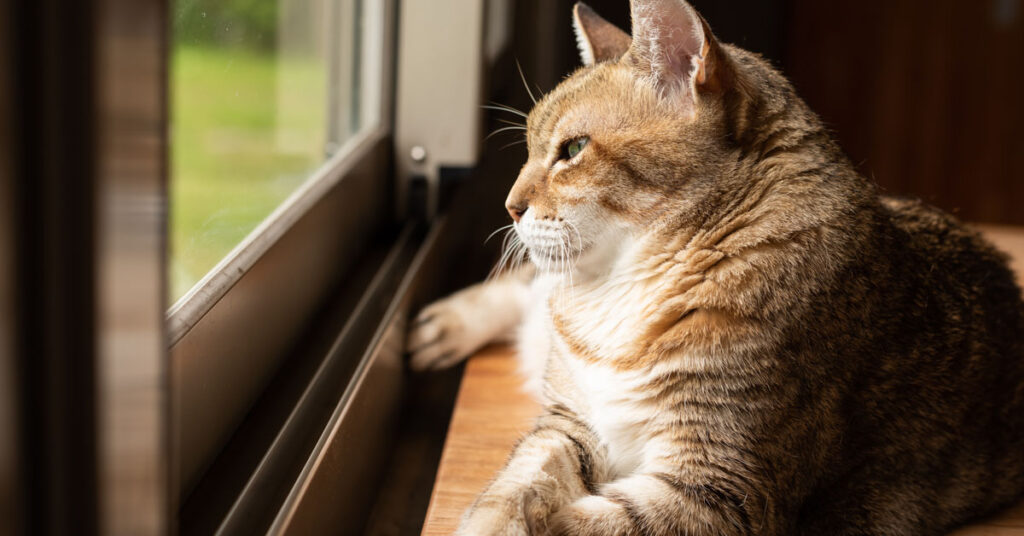
Cats are naturally skilled at masking pain, discomfort, and illness. This instinct can make it difficult for pet owners, and sometimes even veterinarians, to recognize when a cat is hurting. That’s why it’s important for cat owners to pay close attention to subtle changes in their pet’s behavior, movement, and daily routines.
A cat in pain may not cry out or show obvious distress. Instead, the signs are often quiet and easy to miss. Watch for changes such as:
- Hiding, retreating, or seeming unable to get comfortable
- Changes in posture, activity level, mood, appetite, or response to touch
- Unusual movement or positioning of the eyes, ears, or whiskers
- Changes in litter box habits, such as not covering waste or having trouble climbing into the litter box
- Poorer grooming habits, which may suggest your cat has limited or painful range of motion
These changes may point to an underlying health issue, such as degenerative joint disease or another painful condition. By noticing these signs early, you can help protect your cat’s comfort and quality of life.
Keep notes on what you observe, including when the behavior started and how often it occurs. Then schedule an appointment with your veterinarian. Your vet can perform simple exams and tests to help identify whether your cat is in pain, determine where the pain may be coming from, and recommend the right next steps for treatment.