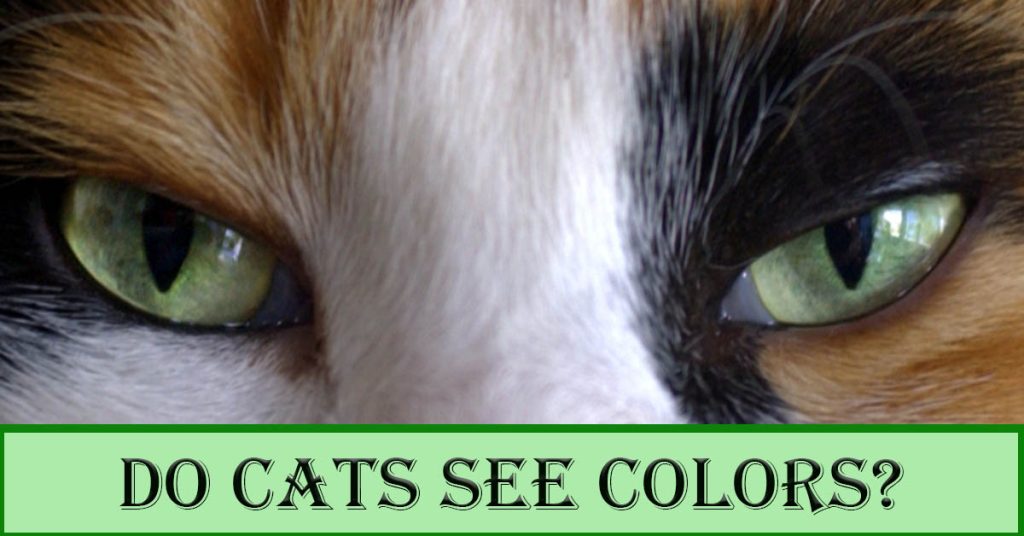
Cats have long been known for their keen senses, particularly their exceptional night vision and acute hearing. However, one question that has intrigued cat owners and researchers alike is whether cats possess color vision similar to humans. This article aims to explore the fascinating topic of feline color vision and shed light on how cats perceive the colorful world around them.
Color vision is the ability to perceive and differentiate various wavelengths of light, resulting in the perception of different colors. Humans, like many primates, possess trichromatic color vision, relying on three types of photoreceptor cells in the retina: cones. These cones are sensitive to different wavelengths of light, allowing us to see a broad spectrum of colors.
Cats, on the other hand, have a different visual system. They are classified as dichromats, meaning they possess only two types of cones: one that is sensitive to shorter wavelengths (blue and green) and another that is more sensitive to longer wavelengths (yellow and red). This difference in the number and sensitivity of cones leads to variations in their perception of colors compared to humans.
Although cats have limited color vision compared to humans, they are not entirely colorblind. They can perceive certain colors but with less distinction and saturation. The colors that cats can detect include blue, green, and yellow, while reds and oranges may appear more subdued or similar to other colors.
While cats may not perceive the same range of colors as humans, color still plays a role in their lives. Cats can differentiate between various shades of gray and blue, which are particularly relevant for hunting and tracking prey. They can also distinguish color contrasts in their environment, which aids in detecting movement and objects in their surroundings.
The unique color vision of cats can be attributed to their evolutionary adaptations as carnivorous predators. Cats rely more on their exceptional night vision, which is predominantly based on motion detection and contrasting light and dark shades. Their ability to see in low light conditions is primarily due to a higher number of rod cells in their retinas, specialized for low-light vision.
It’s important to note that there may be individual variations in color vision among cats. Some cats may have genetic mutations that affect their vision, such as color vision deficiencies or abnormalities in their cones’ sensitivity. These variations can result in further differences in how individual cats perceive and distinguish colors.
While cats may not possess the same vivid color vision as humans, they still perceive the world around them in their unique way. Their dichromatic color vision allows them to distinguish between certain colors, particularly shades of blue, green, and yellow. Understanding the limitations and strengths of a cat’s color vision provides valuable insights into their behavior, preferences, and interactions with their environment. By appreciating the world from a feline perspective, we can deepen our understanding and strengthen our bond with these remarkable creatures.
{{head}}