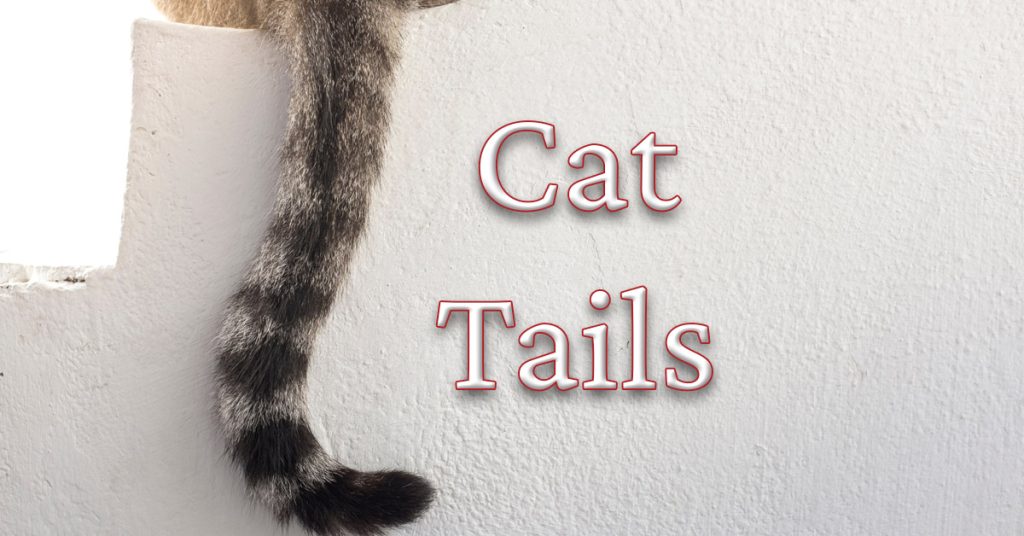
When a cat injures its tail, the situation can be more serious than it initially appears. Making the right decisions early on is crucial to avoid long-term consequences beyond just pain.
Here’s a closer look at three common ways cats could injure their tails and what steps you should take:
One of the most common reasons for a cat’s tail to hang limply is due to a fight with another cat. This often results in a swollen base of the tail accompanied by intense pain. While many owners fear the tail might be broken, a veterinarian can usually differentiate and provide antibiotics and pain relief promptly. If an abscess forms and isn’t treated, it can lead to permanent skin loss, making wound repair challenging.
Cats are notorious for getting their tails caught in closing doors, whether accidentally shut by the wind or hurriedly closed by their owners. This abrupt stop can cause fractures, dislocations, or even degloving—where the skin is torn away from the tail, potentially exposing bone. Even if the injury seems minor, it’s essential to consult a vet to prevent infection and ensure proper healing. Additionally, severe tail-pull injuries, often seen in car accidents, can lead to nerve damage, affecting the cat’s ability to control bowel movements.
Tail injuries resulting from car accidents can be particularly severe due to the high speeds involved. The tail may hang limply and drag on the ground, often indicating nerve damage. In cases where the tail becomes paralyzed, amputation might eventually be necessary to prevent complications and maintain the cat’s overall health.
If a cat’s tail is paralyzed and there’s little chance of recovery, veterinarians might recommend amputation. This decision isn’t taken lightly and is typically delayed for up to two weeks to assess potential nerve recovery. Despite the loss, many cats adapt remarkably well post-amputation, continuing to live active lives without significant hindrance.
In conclusion, while tail injuries in cats can appear straightforward, they often require prompt veterinary attention to prevent long-term issues. Healing Springs Animal Hospital is now open seven days per week to provide prompt primary care. Whether from fights, accidents, or trauma, understanding the severity and seeking appropriate treatment can make a significant difference in your cat’s recovery and quality of life.
{{head}}