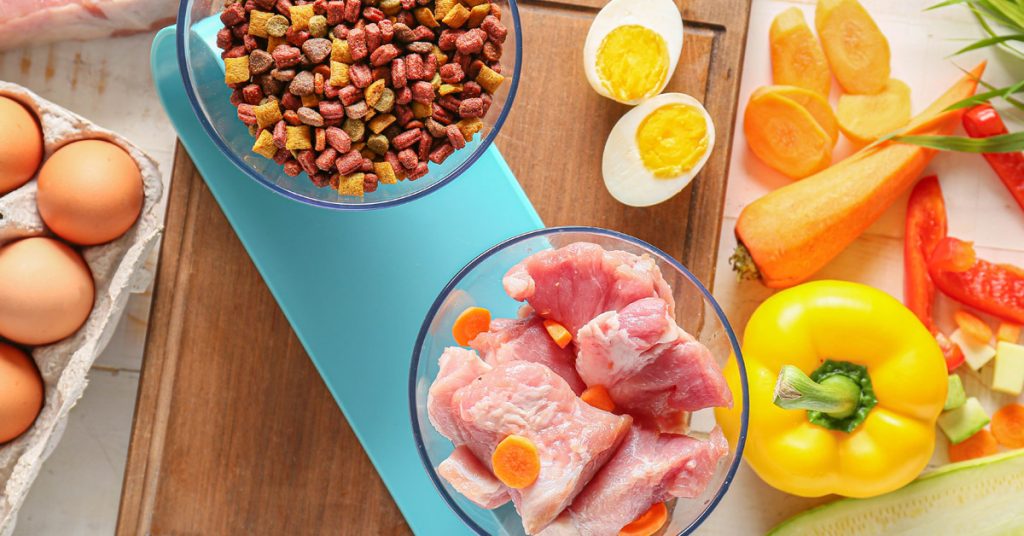
The U.S. Food and Drug Administration is tracking cases of H5N1 in domestic and wild cats in California, Colorado, Oregon and Washington State that are associated with eating contaminated food products. Scientific information is evolving, but at this time it is known that H5N1 can be transmitted to cats and dogs when they eat products from infected poultry or cattle (e.g., unpasteurized milk, uncooked meat, or unpasteurized eggs) that have not undergone a processing step that is capable of inactivating the virus, such as pasteurizing, cooking or canning. Cats (domestic and large felids) in particular can experience severe illness or death from infection with H5N1. Dogs can also contract H5N1, although they usually exhibit mild clinical signs and low mortality compared to cats. At present, H5N1 has not been detected in dogs in the United States, but there have been fatal cases in other countries.
The FDA has determined that it is necessary for manufacturers of cat and dog foods who are covered by the FDA Food Safety Modernization Act Preventive Controls for Animal Food (PCAF) rule and using uncooked or unpasteurized materials derived from poultry or cattle (e.g., uncooked meat, unpasteurized milk or unpasteurized eggs) to reanalyze their food safety plans to include Highly Pathogenic Avian Influenza virus (specifically H5N1) as a known or reasonably foreseeable hazard. Furthermore, the FDA is issuing this update to ensure that cat and dog food manufacturers are aware of information about the new H5N1 hazard associated with their pet food products, which is an additional reason that manufacturers must conduct a reanalysis of their food safety plans.
As we learn more about the transmission of H5N1 in animal food, there are several practices that the FDA is encouraging pet food manufacturers and others in the supply chain to use to significantly minimize or prevent H5N1 transmission through animal food. These practices include seeking ingredients from flocks or herds that are healthy, and taking processing steps, such as heat treatment, that are capable of inactivating viruses. For example, some businesses already implement a heat treatment step that is capable of inactivating the virus as a process control. Heat treatments have been shown to be effective for inactivating H5N1 in meat, milk, and egg products. A different practice would be to implement a supply-chain-applied control to provide assurance that ingredients used in animal food do not come from H5N1-infected animals.
The FDA and the United States Department of Agriculture (USDA) remain confident in the safety of the food supply. USDA’s Food Safety and Inspection Service, Animal and Plant Health Inspection Service, and Agricultural Research Service (ARS) have completed multiple studies to confirm that meat, poultry and eggs that are properly prepared and cooked are safe to eat. Additionally, to verify the safety of the meat these agencies have completed three separate beef safety studies related to avian influenza in meat from dairy cattle. Furthermore, USDA and the U.S. Food and Drug Administration (FDA) have performed multiple retail sampling studies to reaffirm the safety of the pasteurized milk supply and milk products.
Issued by FDA Center for Veterinary Medicine.
Source:
