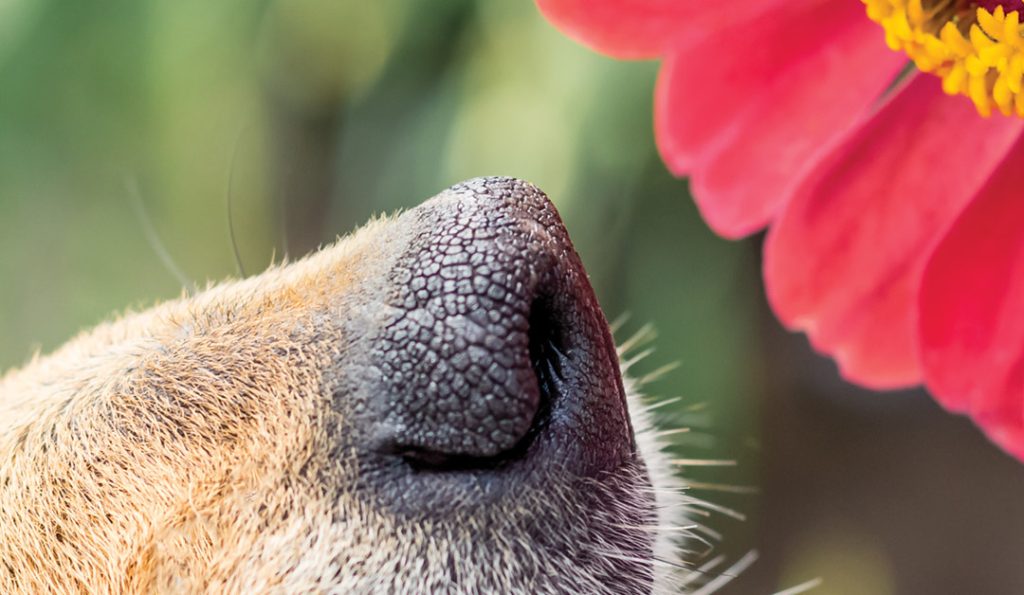
Spring is almost here! As flowers start to bloom and the temperatures warm up, the season brings a sense of renewal and fresh beginnings. However, it’s also time for pet owners to be mindful of potential health risks for their furry companions. With the right care and attention, pets can safely enjoy all the season has to offer.
One of the most important steps in ensuring your pet’s health during spring is scheduling a visit to the veterinarian. Regular checkups can help detect health issues early and provide preventive care to keep your pet in top shape. Here are some key pet care tips to help keep your companion safe and healthy this spring:
Vaccinations and Preventive Care
As warmer weather brings more exposure to parasites like fleas, ticks, and heartworms, vaccinations and preventive treatments become essential. During your pet’s checkup, your vet can recommend the appropriate measures based on your pet’s lifestyle. This might include vaccinations for diseases like rabies, distemper, and leptospirosis, as well as treatments to protect against pests.
Seasonal Allergies
Just like humans, pets can suffer from allergies during spring. Symptoms can include itching, sneezing, and watery eyes. If you notice these signs, consult with your vet for a proper diagnosis and treatment, which may include antihistamines, medicated shampoos, or other prescribed medications.
Exercise and Nutrition
With warmer weather comes increased activity, so it’s important to ensure your pet has access to fresh water and a balanced diet. Avoid overfeeding, as obesity can lead to various health problems. Regular exercise is key to keeping your pet fit and healthy.
Pet-Friendly Gardens and Landscaping
Spring is also a time for gardening, but some plants can be harmful to pets if ingested. Make sure to research which plants are safe for your pet, avoiding toxic varieties like daffodils, tulips, and lilies. Additionally, be mindful of mulches and fertilizers that can pose a danger if your pet chews on them.
Pesticide Safety
Many people use pesticides, herbicides, and fertilizers during the spring, but these chemicals can be toxic to pets if ingested or absorbed through their skin. Always read the product labels carefully and follow application instructions. It’s best to keep pets indoors during the application process and allow enough time for the chemicals to dry before letting them outside.
Water Safety
With rising temperatures, your pet might be drawn to water. Always supervise your pet near lakes, pools, or other bodies of water. Not all pets are natural swimmers, so a life vest is a good idea, especially when boating or swimming in open water.
Microchipping
Spring is a popular time for outdoor activities, and pets are more likely to join in on trips, hikes, and visits to busy parks. Accidents can happen, and pets can get lost. Microchipping provides a permanent way to identify your pet if they wander off. This small chip, inserted under the skin, contains a unique identification number linked to your contact details, making it much easier to reunite with a lost pet.
By following these tips—regular checkups, proper nutrition and exercise, pet-safe landscaping, and preventive care—pet owners can ensure their pets enjoy a happy, healthy, and safe spring season. If you have any concerns or need advice, don’t hesitate to contact Healing Springs Animal Hospital for guidance.
