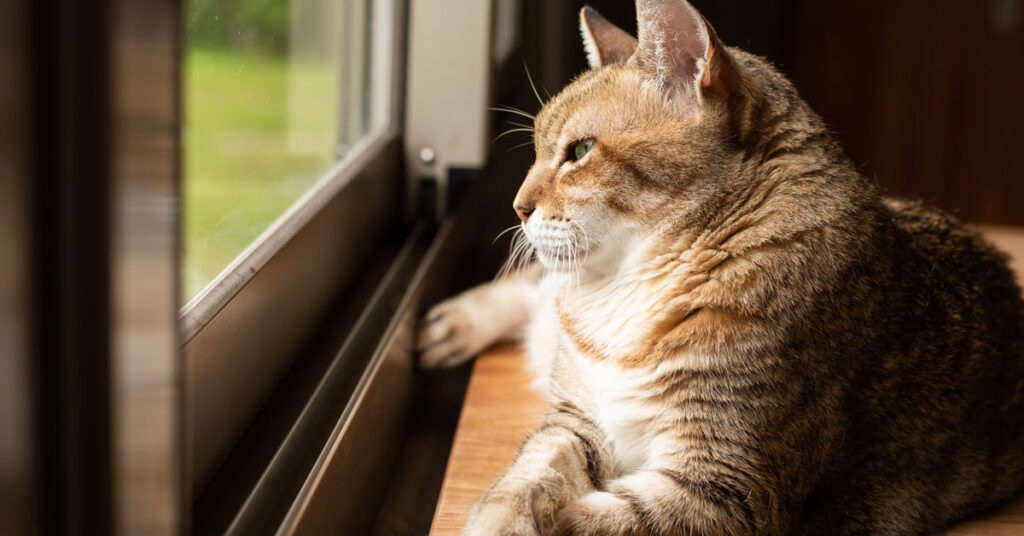
Cats make wonderful companions — playful, independent, affectionate, and conveniently house-trained. One of their greatest advantages is that they don’t need to go outside to eliminate. However, even the most devoted cat owners occasionally face one frustrating problem: inappropriate elimination. This is one of the most common behavioral issues in cats and a leading reason for surrendering them to shelters.
It’s important to distinguish between inappropriate elimination and territory marking (spraying). Spraying occurs when a cat releases a small amount of urine on a vertical surface such as a wall or sofa. In contrast, elimination happens when a cat squats and releases a larger amount of urine, usually on a horizontal surface. Sometimes cats even eliminate right next to the litter box rather than in it. In many cases, changing the type of litter can make all the difference. So, what kind of litter does your cat actually prefer?
Today’s market offers a wide range of litter options, traditional clay, clumping or scoopable, crystal-based (silica gel), and biodegradable varieties. According to the Humane Society of the United States, most cats favor fine-grained litter, likely because it feels softer on their paws. While many owners prefer clumping litter for easier cleaning and odor control, some cats remain loyal to the texture of small-grained clay.
Once you find a litter your cat likes, consistency is key. Avoid switching brands or introducing strong scents, as these changes can cause your cat to reject the box entirely.
If your cat suddenly stops using the litter box or begins eliminating nearby, don’t assume it’s behavioral. Schedule a veterinary visit for a full exam. Medical conditions, such as urinary tract infections, can cause discomfort that leads cats to avoid their litter boxes.
Finally, consider litter box placement. Cats appreciate privacy, quiet, and easy access. A clean, well-located box with the right litter can make all the difference in keeping both you and your feline friend happy.
{{head}}