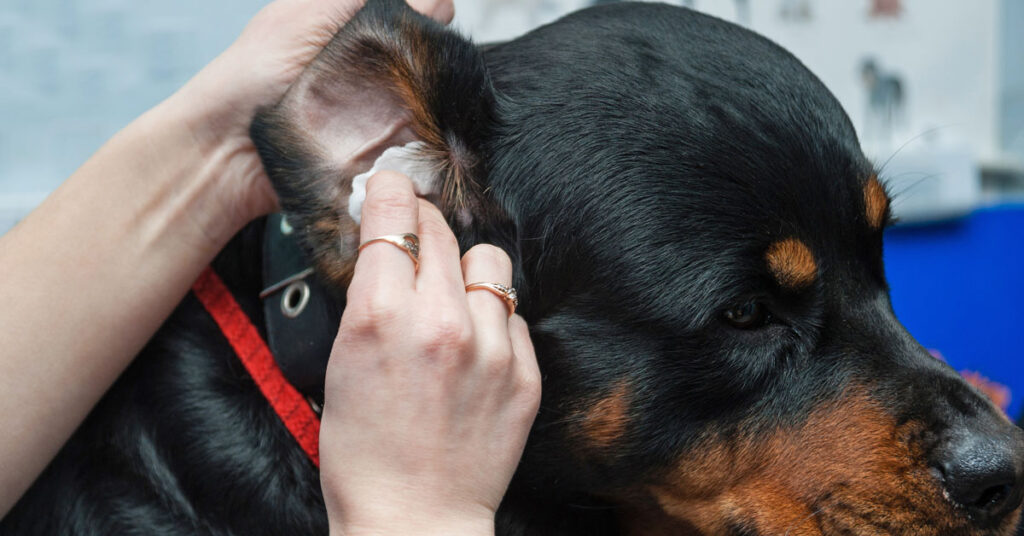
Ear hematomas are collections of blood that form between the skin and cartilage of a pet’s ear flap (the pinna). These fluid-filled swellings are most frequently seen in dogs, especially breeds with long, floppy ears, but they can also occur in cats. The issue begins when small blood vessels inside the ear break and leak blood into the surrounding tissue.
The most common trigger for this condition is vigorous head shaking or scratching, which often results from irritation inside the ear. In turn, underlying problems such as ear infections, allergies, mites, or foreign objects lodged in the ear can lead to irritation. Less commonly, physical trauma from rough play or fights may also be the initiating cause.
Diagnosing an ear hematoma typically involves a veterinarian performing a physical examination of the ear, sometimes using an otoscope to look deeper into the ear canal. If there is discharge or debris, the vet may take a sample to check for bacteria, yeast, or parasites, which helps identify and treat the root cause of the irritation.
Treating both the hematoma and the irritation that caused it is key to preventing it from returning. Small hematomas may be treated by withdrawing fluid with a needle, a procedure called aspiration, which is often less expensive and doesn’t require anesthesia.
However, larger hematomas often need surgical intervention. In surgery, a veterinarian drains the blood and places sutures in a pattern that stops fluid from re-accumulating. This helps the ear heal with a more normal shape and reduces the chance of permanent deformity. Other options include placing a small drain or using anti-inflammatory medications to reduce swelling.
Without treatment, an ear hematoma might heal on its own, but the blood often doesn’t reabsorb evenly, which can lead to thickening and a permanent “cauliflower ear” appearance.
Addressing the underlying cause, whether it’s infection, allergies, mites, or something else, is also crucial. Treating these conditions with medications or environmental and dietary changes can help reduce head shaking and prevent future hematomas.
Routine ear care, including regular checks and cleaning, can help catch irritation early and lower the risk of problems before they develop into hematomas.
{{head}}