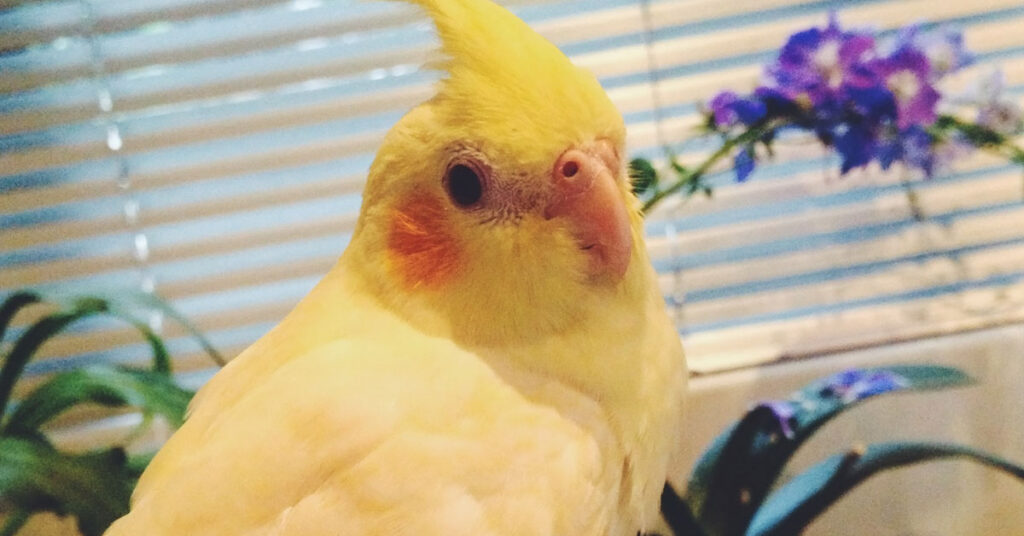
If you share your home with a pet bird, it’s important to know which common items and foods can be dangerous, or even deadly, to them. Birds have sensitive bodies and unique respiratory systems, so substances that seem harmless to us can pose serious risks to them.
Although lead is less common in homes today, it still exists in many bird-related items. Older or imported cages and toys may contain lead-based paint. Other possible lead sources include wine and champagne foil wrappers, curtain weights, and stained glass. Birds that ingest lead may show signs such as lethargy, weakness, loss of appetite, weight loss, vomiting, diarrhea, excessive thirst and urination, and seizures.
With the decline in lead use, zinc has become one of the most common causes of metal toxicity in pet birds. It’s found in galvanized metal products like cage wires, mesh, staples, nails, bowls, and toys. Other sources include some fertilizers, paints, dandruff shampoos, and U.S. pennies made after 1982. Symptoms of zinc poisoning mirror those of lead poisoning.
All parts of the avocado plant are dangerous for birds, especially the pit. Eating avocado can be fatal. Signs of avocado poisoning include agitation, feather-plucking, fatigue, loss of appetite, trouble breathing, and sudden death.
Birds are extremely sensitive to airborne toxins. When nonstick cookware, irons, or ironing boards coated with Teflon or similar surfaces are overheated, they can release toxic fumes into the air. Upholstered furniture treated with stain-resistant coatings can also emit harmful particles. In mild cases, birds may experience breathing difficulty, loss of balance, or changes in behavior. High exposure can be lethal.
Many everyday fumes are risky for birds because of their highly efficient respiratory systems. These include:
When using strong-smelling or fume-producing products, keep your bird in a separate, well-ventilated room. During activities like home renovations or deep cleaning, consider having someone care for your bird outside the house.
If your bird has been exposed to any toxic substance or is showing unusual symptoms, contact a bird veterinarian right away, quick action can save your bird’s life.
{{head}}