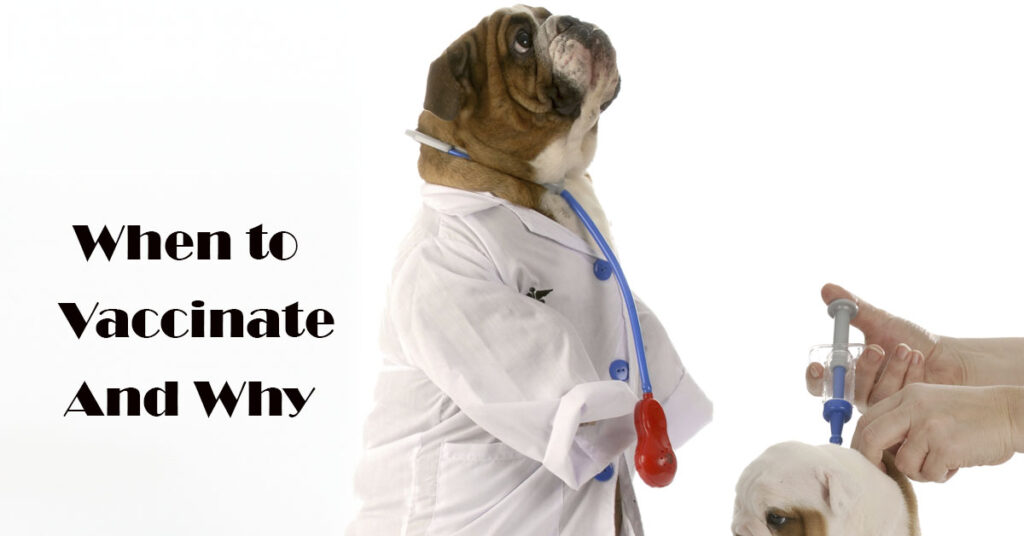
Vaccinations are one of the most effective ways to protect puppies from serious and potentially fatal diseases like parvovirus and canine distemper. When puppies are first born, they receive temporary protection through antibodies passed by their mother. However, this early immunity begins to fade around 6-8 weeks of age, which is when the initial round of vaccinations should begin.
Because a young puppy’s immune system is still developing, your veterinarian will recommend a series of shots spaced about 3-4 weeks apart, continuing until your puppy is at least 16 weeks old. This schedule ensures the best possible immune response as maternal antibodies decline and your puppy builds its own protection.
It’s not unusual for puppies to show mild reactions after a vaccine, such as soreness at the injection site, a low-grade fever, or temporary lethargy. These reactions are generally mild and short-lived, and the overall risk of side effects is far lower than the risk of severe disease if left unvaccinated. To be safe, plan vaccinations at a time when you can keep an eye on your pup afterward.
Getting your puppy started on a proper vaccination protocol gives them the healthiest beginning possible. Once the initial series is complete, dogs will need regular booster shots throughout their lives to maintain protection against core diseases.
{{head}}