Many people assume that a diagnosis of feline leukemia means a cat’s life will be short. While the disease is serious, it is not always an immediate death sentence. With proper care and management, some cats can live for years and enjoy a good quality of life.
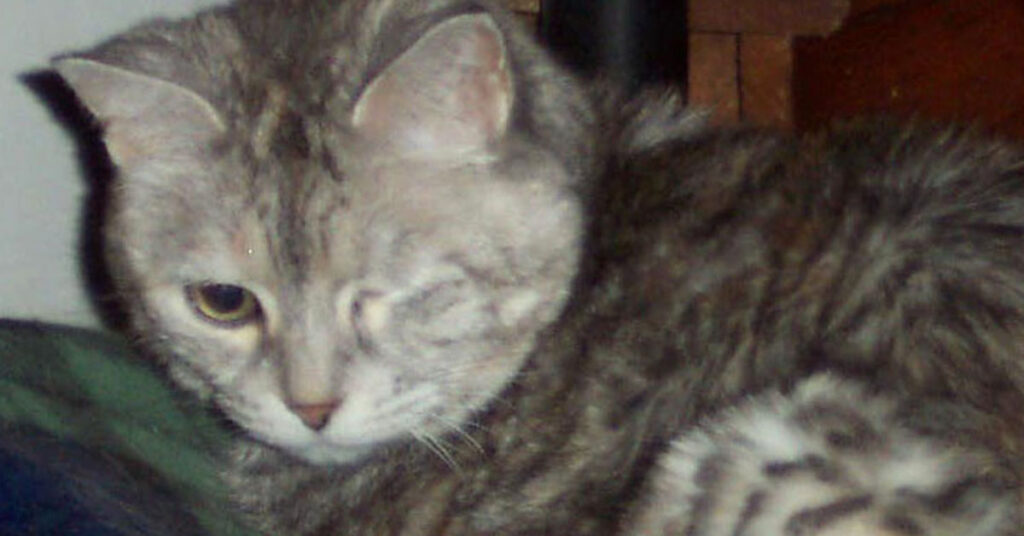
Quarantine is a wonderful example of this possibility. She was a stray kitten who tested positive for feline leukemia when she was brought in for care. The family who originally planned to adopt her requested euthanasia after hearing the diagnosis. However, the kitten quickly won over everyone she met with her personality and charm. Instead of losing her life, she gained a home and a name that reflected her situation, Quarantine.
Feline leukemia virus (FeLV) affects a cat’s blood cells and weakens the immune system, making infected cats more vulnerable to illness. Early in life, Quarantine received medication designed to support her immune system. After that initial treatment, her care has been quite simple: a nutritious diet and a life safely separated from other cats.
Her health has been so good that she has been tested multiple times over the years to confirm the diagnosis. Each time the result has been the same, she still carries the feline leukemia virus. Despite this, she has remained remarkably healthy.
One of the biggest risks for cats with feline leukemia is exposure to other cats and the contagious diseases they may carry. To protect her health and prevent spreading the virus, Quarantine has lived indoors with her human family and their dogs, while remaining separate from other cats. In that sense, she has spent most of her life living up to her name.
Feline leukemia is a contagious viral disease that can lead to anemia, cancer, and immune suppression in cats. It spreads primarily through saliva, blood, and milk between cats that have close contact. Overall, about two to three percent of cats in North America carry the virus, though the percentage can be much higher among stray or outdoor cats.
Fortunately, there are ways to reduce the risk and support affected animals. Cats should be vaccinated against feline leukemia, and newly adopted cats, especially strays, should be tested before joining a household with other cats. Cats that test positive can often live comfortably when provided with good nutrition, regular veterinary care, and an indoor environment that limits exposure to infections and other cats.
Quarantine’s story reminds us that even with a challenging diagnosis, many cats can still enjoy long, happy lives with the right care and a loving home.
{{head}}