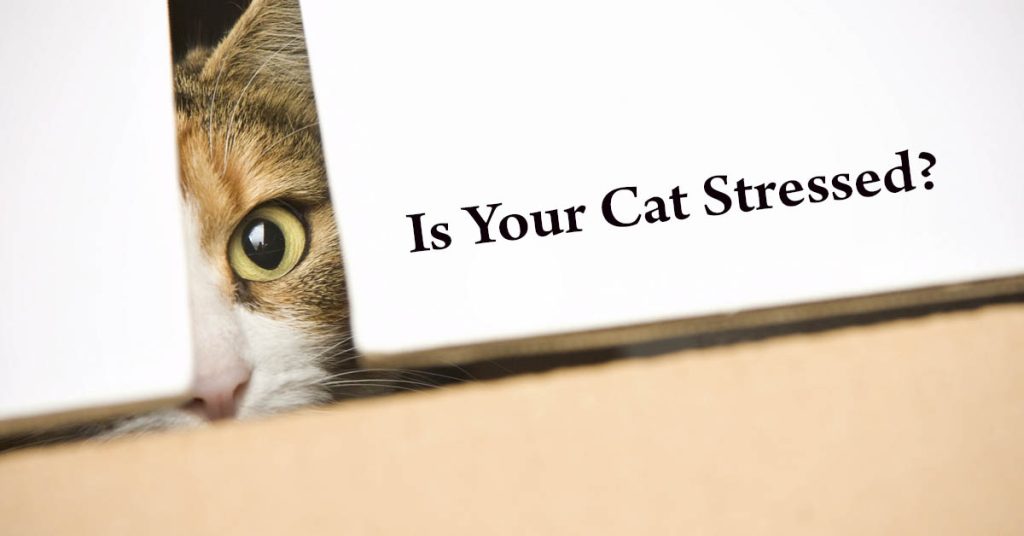
Cats can experience stress in various situations, and it’s important to recognize the signs so you can help alleviate their discomfort. Here are some common indicators that your cat may be stressed:
Changes in behavior: Look for unusual behaviors such as excessive hiding, decreased appetite, or increased aggression. Stress can cause cats to become withdrawn or irritable.
Litter box issues: Stress may lead to litter box problems, such as urinating or defecating outside the litter box. If your cat’s litter box habits suddenly change, it could be a sign of stress.
Excessive grooming: Cats may groom themselves excessively when stressed. Pay attention to any excessive licking, biting, or hair loss in your cat’s coat.
Changes in appetite: Stress can affect a cat’s appetite. They may either eat significantly less or overeat. Monitor your cat’s eating habits and note any changes.
Restlessness or lethargy: Stress can manifest as restlessness or increased activity levels, but it can also cause lethargy or a lack of energy. Keep an eye on your cat’s overall activity levels.
Excessive vocalization: Some cats may become more vocal when they are stressed. They may meow excessively or make other unusual vocalizations.
Hiding or seeking solitude: Cats often retreat to secluded spots when they are stressed. If your cat starts hiding in unusual places or isolating itself, it could be a sign of stress.
Changes in social behavior: Stress can affect a cat’s social interactions. They may become more aggressive or avoidant towards other pets or family members.
It’s important to note that these signs can also be indicative of other underlying health issues, so if you notice any concerning changes in your cat’s behavior, it’s advisable to consult with a veterinarian. A professional can help determine the cause of the stress and provide appropriate guidance and treatment.
{{head}}