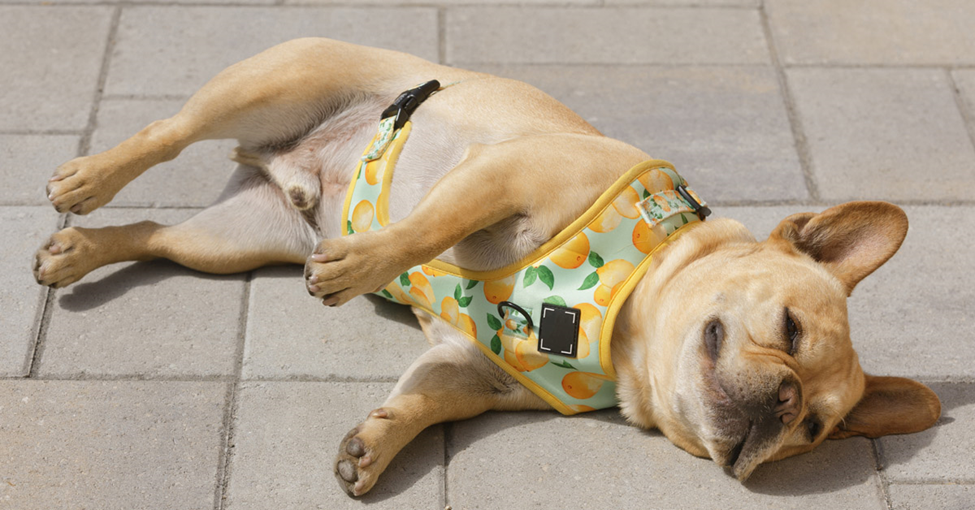
Our pets are susceptible to sun-induced skin diseases, mirroring our own vulnerabilities. Some pets adore the sun as much as their beach-loving human counterparts. In humans, sun worship can be linked to the release of endorphins triggered by the skin’s immune response to light exposure. Similar sun-seeking behaviors can occur in pets. While fur provides some protection, not all areas of their body are sufficiently shielded from solar damage.
Pets, particularly those with short coats and lighter pigmentation, are most at risk, with vulnerable areas including the armpits, abdomen, ears, nose, and muzzle. Even indoor pets are not immune to sun-related issues. Windows, while they may reduce some solar radiation, do not block all harmful UV rays; older single-pane glass windows offer minimal protection to pets who enjoy lounging on window sills.
Excessive sun exposure can lead to various problems, from sunburn to serious conditions like melanoma. Dogs and cats may develop precancerous lesions such as actinic keratoses, which can progress to skin cancers like squamous cell or basal cell carcinoma. Additionally, some dogs can develop tumors of blood vessels known as hemangiomas.
The optimal strategy for protecting both humans and animals is to avoid direct sun exposure, especially during peak radiation hours from 10 a.m. to 4 p.m. It’s safest to schedule outdoor activities like long walks or playtime in the early morning or evening. For yards lacking natural shade, a penned enclosure with a shade cloth can provide effective sun protection.
{{head}}