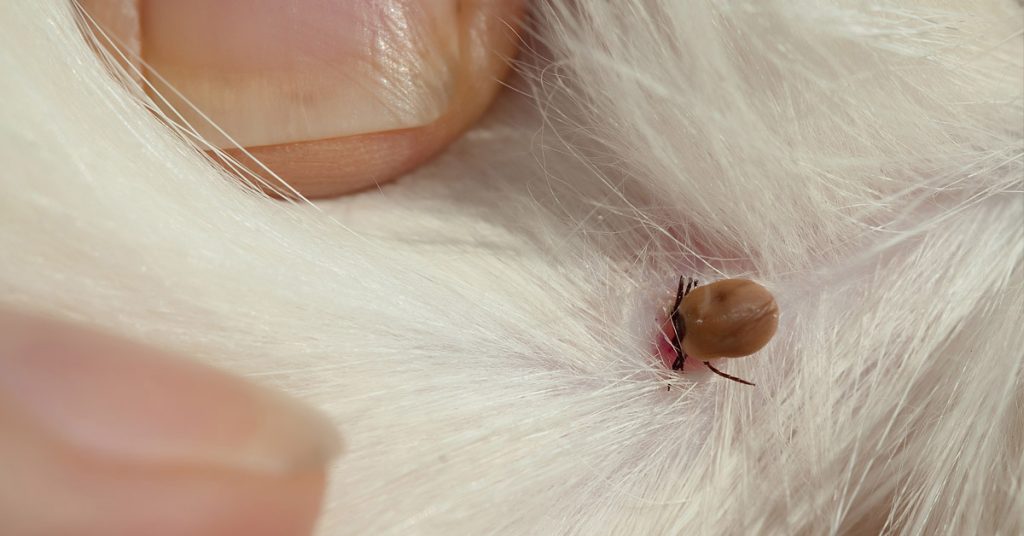
Dogs do not directly transmit Lyme disease to humans or other animals. The disease is spread through tick bites, not from one pet to another or from pets to humans. However, a tick carrying the disease might come into your home on your dog’s fur and then attach to you.
If your dog is diagnosed with Lyme disease, it is likely that you and other pets have been in the same outdoor environment and may also be at risk. It’s a good idea to consult with both your physician and veterinarian to determine if other pets or family members should be tested.
Lyme disease, or Lyme borreliosis, is a bacterial infection transmitted to humans, dogs, and other animals through certain tick species. The disease is caused by the spiral-shaped bacterium Borrelia burgdorferi, which lives in ticks and enters the bloodstream of a host through a tick bite. Once in the bloodstream, the bacteria can spread to various parts of the body, causing issues in specific organs or areas, such as joints, and leading to overall illness.
Tick prevention medication can help reduce the risk of Lyme disease in dogs, but it does not guarantee complete prevention. These medications work by killing or repelling ticks, which are the primary carriers of the bacteria Borrelia burgdorferi that causes Lyme disease. By reducing the chance of tick attachment, these products lower the likelihood of infection. However, since no prevention method is 100% effective, it’s also important to check your dog regularly for ticks and remove any you find promptly. In addition to tick prevention products, Healing Springs Animal Hospital recommends Lyme disease vaccinations.
Ticks that carry Lyme disease are commonly found in tall grasses, dense brush, marshes, and wooded areas. They attach to dogs as they brush past these environments. For Lyme disease transmission to occur, a tick needs to be attached to a dog for 24 to 48 hours.
Ticks do not jump or fly; they crawl. They latch onto their hosts by waiting at the ends of vegetation. When a dog or person brushes against a bush or tall grass, the tick quickly grabs hold and crawls to find a spot to bite.
Lyme disease is relatively common in dogs. Typical symptoms include:
If untreated, Lyme disease could lead to kidney failure in dogs, which can be fatal, and may also cause severe cardiac and neurological effects.
Diagnosis involves a combination of medical history, physical examination, and diagnostic tests. Two primary blood tests used are the C6 Test and Quant C6 Test. Veterinarians perform both to diagnose Lyme disease.
The C6 Test detects antibodies against a protein called “C6,” indicating an active Lyme infection. These antibodies can be identified in the bloodstream three to five weeks after a tick bite, even before symptoms appear.
The Quant C6 Test, along with urinalysis, helps determine the need for antibiotic treatment.
Treatment typically involves a course of antibiotics lasting at least 30 days, which usually alleviates symptoms quickly. In some cases, prolonged medication may be necessary if the infection persists. Additional therapies may be used to address specific symptoms.
{{head}}