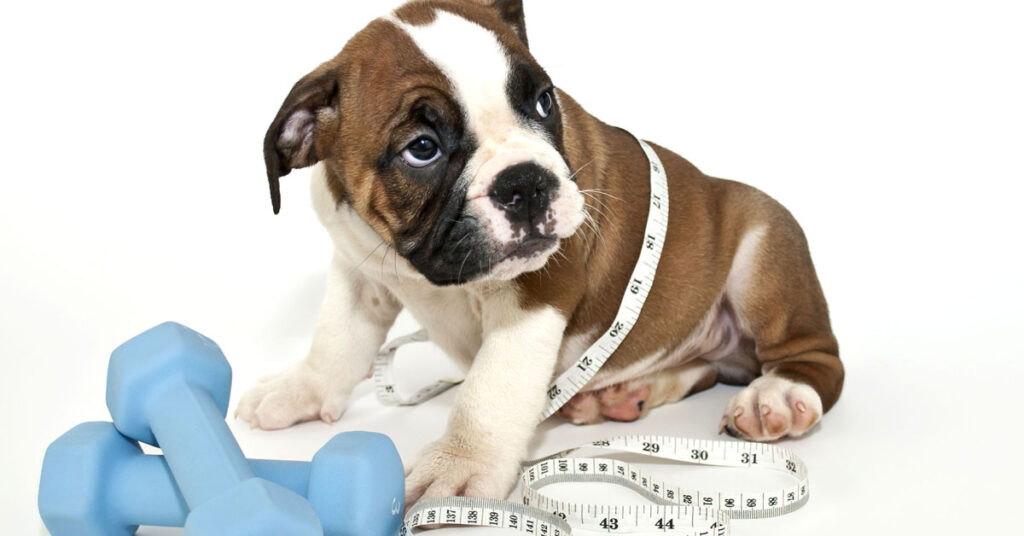
Just like people use Body Mass Index (BMI) to assess whether they’re at a healthy weight, pets have their own version called the Body Condition Score (BCS). The BCS is a veterinarian-developed system that helps evaluate a pet’s body fat and overall condition. Because pets come in all shapes and sizes, from Great Danes to Bulldogs to Toy Poodles, the system accounts for these differences to give an accurate assessment.
According to the Association for Pet Obesity Prevention, an estimated 60% of cats and 56% of dogs in the U.S. are overweight or obese. The BCS provides a standardized way to measure body fat and develop personalized diet and exercise plans that suit your pet’s needs.
Veterinarians commonly use one of two scoring systems:
When evaluating your pet’s body condition, key features to observe include:
According to the World Small Animal Veterinary Association (WSAVA), the 1–9 scale is interpreted as follows:
A healthy pet typically scores 5, with a trim waist and a tucked abdomen.
Keeping your pet at a healthy weight is one of the best things you can do for their longevity, mobility, and quality of life. Overweight pets face a higher risk of conditions such as arthritis, diabetes, heart disease, and joint problems.
If you’re unsure about your pet’s weight or how to assess it, talk to your veterinarian. They can help determine your pet’s BCS and create a tailored plan for nutrition and activity to keep your furry friend happy, healthy, and active.
Sources:
2018 Pet Obesity Survey Results. Association for Pet Obesity Prevention, 12 Mar. 2019. petobesityprevention.org/2018
Body Condition Score Chart. Wsava.org. (2020). Retrieved from https://wsava.org/wp-content/uploads/2020/05/WSAVA-Global-Nutrition-Toolkit-English.pdf.
{{head}}