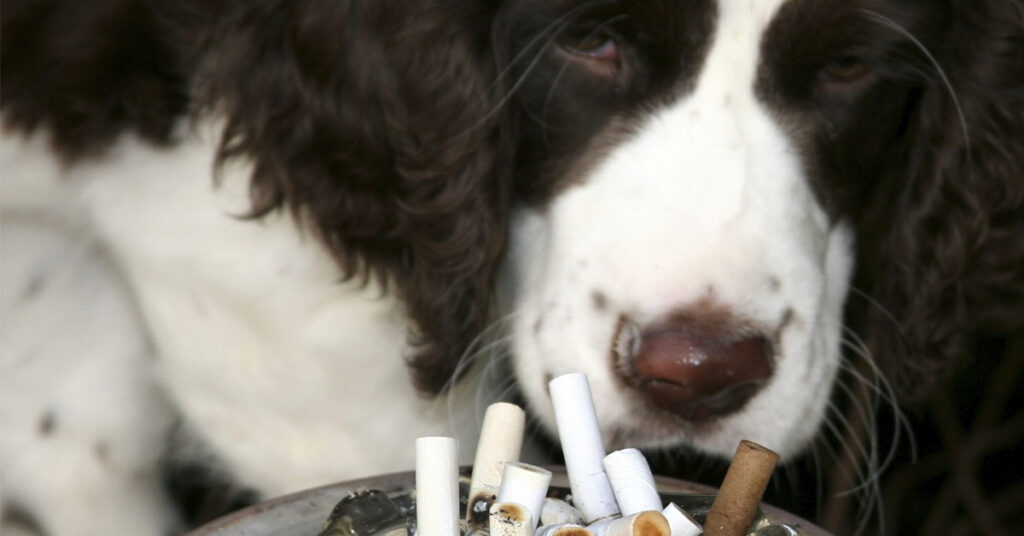
Most of us understand how smoking affects human health, but many pet owners don’t realize just how dangerous cigarette smoke can be for animals too. Pets exposed to secondhand and even thirdhand smoke face real health risks, similar to those seen in people.
Secondhand smoke is the combination of smoke exhaled by a smoker and smoke that comes directly from a burning cigarette. Thirdhand smoke refers to the residue left on surfaces, clothing, carpet, and even your pet’s fur long after the smoke has cleared. Both types can be harmful to animals.
Animals living in smoky environments can suffer from a range of serious issues. Just like humans, dogs, cats, birds, and other pets can develop respiratory problems such as coughing, wheezing, and bronchitis. Chronic exposure also increases the risk of cancers, including lungs, nasal, oral, and lymphoma. Some studies have shown that cats in smoking households are significantly more likely to develop lymphoma and oral cancers, and dogs exposed to smoke are at higher risk for nasal and lung tumors.
Because pets often spend much of their time close to the floor, where smoke particles settle, they may inhale more toxins relative to their size. Cats are particularly vulnerable because they frequently groom themselves and can ingest toxins that cling to their fur. Birds have extremely sensitive respiratory systems and can suffer severe illness from even low levels of airborne smoke. Small mammals like guinea pigs, rabbits, and hamsters are also at risk.
Accidental ingestion of cigarette butts, nicotine gum, or other tobacco products can be extremely dangerous too. Nicotine poisoning in pets may cause drooling, vomiting, tremors, diarrhea, rapid heart rate, seizures, and in severe cases, death.
Signs Your Pet May Be Affected
Watch for symptoms such as:
These can be signs of smoke exposure or related illness.
How to Protect Your Pet
The most effective way to safeguard your pet’s health is to keep your home completely smoke-free. Even smoking outside isn’t perfect, because smoke particles can cling to clothing and be brought inside. Additional steps to help reduce risk include:
Quitting smoking is the best way to protect both your health and your pet’s, and a smoke-free home gives pets the best chance to live long, healthy lives.
Source:
Bertone E, Snyder L, Moore A. Environmental tobacco smoke and risk of malignant lymphoma in pet cats. American Journal of Epidemiology. 156 (3): 268-273.
{{head}}