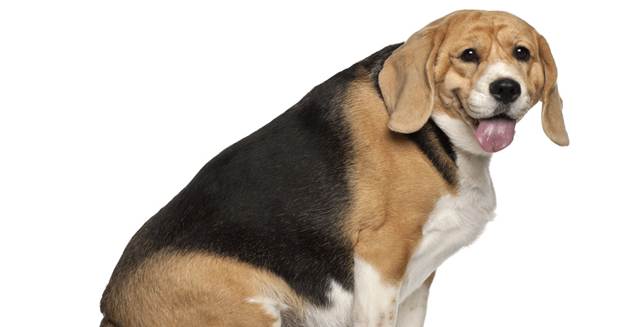
If your dog is looking a little rounder than usual, they may be overweight. Weight gain is common in dogs, especially as they age, slow down, or get a few too many treats. Extra weight can affect your dog’s long-term health and may increase the risk of diabetes, heart problems, joint pain, arthritis, and reduced mobility.
The good news is that there are simple ways to check whether your dog may be overweight. While your veterinarian is the best person to confirm your dog’s ideal weight, you can start by looking at your dog’s body shape, feeling their ribs, watching their activity level, and paying attention to changes in their habits.
One of the easiest ways to evaluate your dog’s weight is to look at them from above. A dog at a healthy weight usually has a visible waist behind the ribs. Their body should narrow slightly toward the back rather than appearing round or oval.
Body shape varies by breed, so this should be used as a general guide rather than the only factor.
Your dog’s ribs can tell you a lot about their weight. You should be able to feel the ribs easily with light pressure, but they should not be sharply sticking out. If you have to press firmly to feel the ribs, there may be a layer of excess fat covering them.
On the other hand, ribs that are very visible or feel too prominent may mean your dog is underweight. A healthy weight is usually somewhere in between: ribs that can be felt but not seen too clearly.
Changes in behavior can sometimes point to weight-related problems. Overweight dogs may become less active, tire more quickly, or have trouble keeping up on walks. They may also seem reluctant to climb stairs, jump, play, or move around as much as they used to.
Some dogs may breathe harder during mild activity or prefer lying down most of the day. These signs can have several causes, so it is best to check with your veterinarian if your dog’s energy level or mobility changes.
A weigh-in at your veterinarian’s office is the most accurate way to determine whether your dog is overweight. Your vet can compare your dog’s weight with their breed, age, body frame, and overall health.
If your veterinarian says your dog needs to lose weight, the next step is to create a safe plan. In most cases, weight loss involves two main changes: reducing extra calories and increasing activity.
Start with short daily walks if your dog is not used to regular exercise. Even 10 to 15 minutes a day can be a helpful beginning. The right amount of exercise depends on your dog’s breed, age, health, and fitness level.
Feeding habits matter, too. Instead of leaving food out all day, try measured meals at regular times. Dividing your dog’s daily food into morning and evening portions can help manage hunger while keeping calories under control.
Treats can add up quickly, even when they seem small.
Some dogs enjoy low-calorie vegetables such as carrots, green beans, cucumber, broccoli, or celery. Always make sure any snack you offer is safe for dogs and check with your veterinarian before making major diet changes.
Helping your dog maintain a healthy weight can improve their comfort, energy, and quality of life. With regular checkups, portion control, daily movement, and careful treat choices, you can help your dog stay healthier for years to come.
{{head}}